7 Essential Tips for Building Your Dream Home in the Mountains
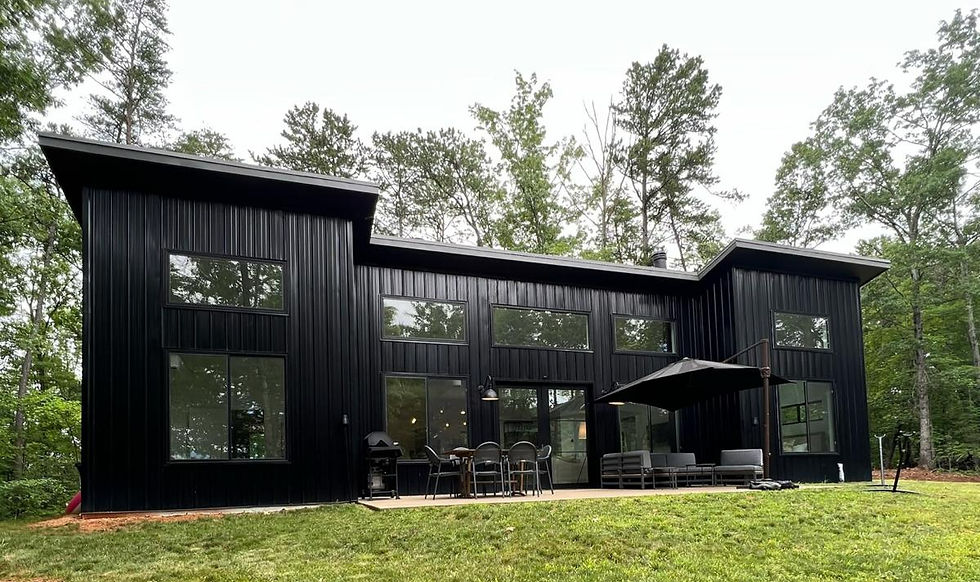
Building a custom home in Western North Carolina’s mountains offers a unique chance to live surrounded by nature’s beauty. The views, the privacy, and the fresh mountain air create a lifestyle many dream of. But mountain building comes with challenges that don’t exist on flat land. Before you break ground, understanding these challenges can save time, money, and headaches.
At Cold Creek Builders, we understand that building a mountain home starts long before the first foundation is poured. Our approach begins with understanding the land, the challenges it presents, and how those details can shape the home you envision.
Here are seven key things every future mountain homeowner should know before starting construction.
1. Your Lot’s Slope Can Change Everything
Mountain lots rarely have flat terrain. The slope affects where and how you build your home. It influences:
Home placement: You might need to position the house to fit the land’s natural contours.
Foundation design: Steep slopes often require specialized foundations like piers or stepped footings.
Driveway construction: Steep grades can make driveway building more complex and costly.
Grading and drainage: Proper grading prevents erosion and water damage.
Construction access: Equipment may struggle on steep or uneven ground.
Project costs: More slope usually means higher costs for excavation and foundation work.
Before choosing a floor plan, spend time walking your lot and understanding its slope. Let the land guide your home design instead of forcing a design onto the land.
2. Think About How You’ll Access the Property
Mountain lots can be remote or difficult to reach. Access affects every stage of your project:
Driveway access: Will you need to build a long or steep driveway? What materials will work best?
Steep grades: Can vehicles safely navigate the slope in all weather?
Construction equipment access: Large trucks and machinery need space to operate.
Road conditions: Are roads maintained year-round? Snow and mud can block access.
Parking and turnaround areas: Construction crews need space to park and turn around safely.
Plan access early. If trucks can’t reach your site, construction will slow or stop.
3. Design Around the Best Views
One of the biggest reasons to build in the mountains is the view. But not every spot on your lot will offer the same perspective. Consider:
Orientation: Position living spaces and windows to capture sunrise, sunset, or valley views.
Privacy: Use natural trees or landscaping to shield your home from neighbors.
Sunlight: Balance views with sunlight exposure to keep your home bright and warm.
Outdoor spaces: Decks and patios should face the best scenery.
Work with your builder to make the most of your lot’s natural beauty.
4. Look Into Well and Septic Systems Early
Mountain properties often lack municipal water and sewer connections. You’ll likely need:
A well: Drilling a well depends on local water tables and rock formations.
Septic system: Soil type and slope affect septic design and placement.
Both require permits and inspections. Testing soil and water early prevents surprises that can delay your build or increase costs.
5. Plan for Proper Drainage
Water management is critical on sloped mountain lots. Improper drainage can cause:
Erosion: Soil washing away can damage your foundation and landscaping.
Water intrusion: Water pooling near your home leads to leaks and mold.
Road damage: Driveways and access roads can wash out without good drainage.
Use swales, French drains, and retaining walls to control water flow. Your builder can recommend the best solutions for your site.
6. Consider Mountain Weather
Mountain weather can be unpredictable and harsher than lowland areas. Keep in mind:
Snow and ice: Roofs and driveways must handle snow loads and slippery conditions.
Wind: Higher elevations often face stronger winds that affect building materials and design.
Temperature swings: Insulation and heating systems should accommodate cold nights and warm days.
Storms: Heavy rain and lightning require durable roofing and electrical grounding.
Choose materials and designs suited for mountain climates to protect your home year-round.
7. Talk With a Builder Experienced in Mountain Homes
Building in the mountains requires special skills and knowledge. A builder familiar with local terrain, weather, and regulations can:
Help you understand site challenges.
Suggest cost-effective solutions.
Coordinate with engineers and inspectors.
Manage construction logistics on difficult terrain.
Interview several builders and ask for references from mountain home projects. Their experience will be invaluable.
Building a mountain home is a rewarding project that requires careful planning. Understanding your lot’s slope, access, views, utilities, drainage, weather, and choosing the right builder will set you up for success. Take your time checking these boxes before you break ground. Your dream home will be stronger, safer, and more connected to the beautiful mountain landscape.
Ready to start planning? Begin by walking your lot with these tips in mind and reach out to local experts who know mountain building inside and out. Your perfect mountain home is waiting.
Ready to Build Your Mountain Home?
Building in Western North Carolina is an exciting opportunity—but the right planning and the right builder can make all the difference.
Cold Creek Builders specializes in creating custom homes that are thoughtfully planned around the property, the surrounding landscape, and the way you want to live.
Whether you're still exploring your lot or you're ready to start planning your dream home, we'd love to hear about your project.
Let's Build Something Worth Coming Home To.
Build smart. Plan well. Build for life.
[Start a Conversation with Cold Creek Builders →]


Comments